Comprehending Metal Factories: Secret Truths and Insights for Industry Professionals
Metal shops play a vital duty in the production industry, particularly in sectors such as auto and aerospace. They convert resources right into essential parts with various casting processes. Recognizing these procedures, together with the materials and quality assurance actions entailed, is vital for industry professionals. As obstacles and technological developments emerge, the landscape of steel factories is developing. What effects do these modifications hold for the future of the industry?
The Duty of Metal Foundries in Production
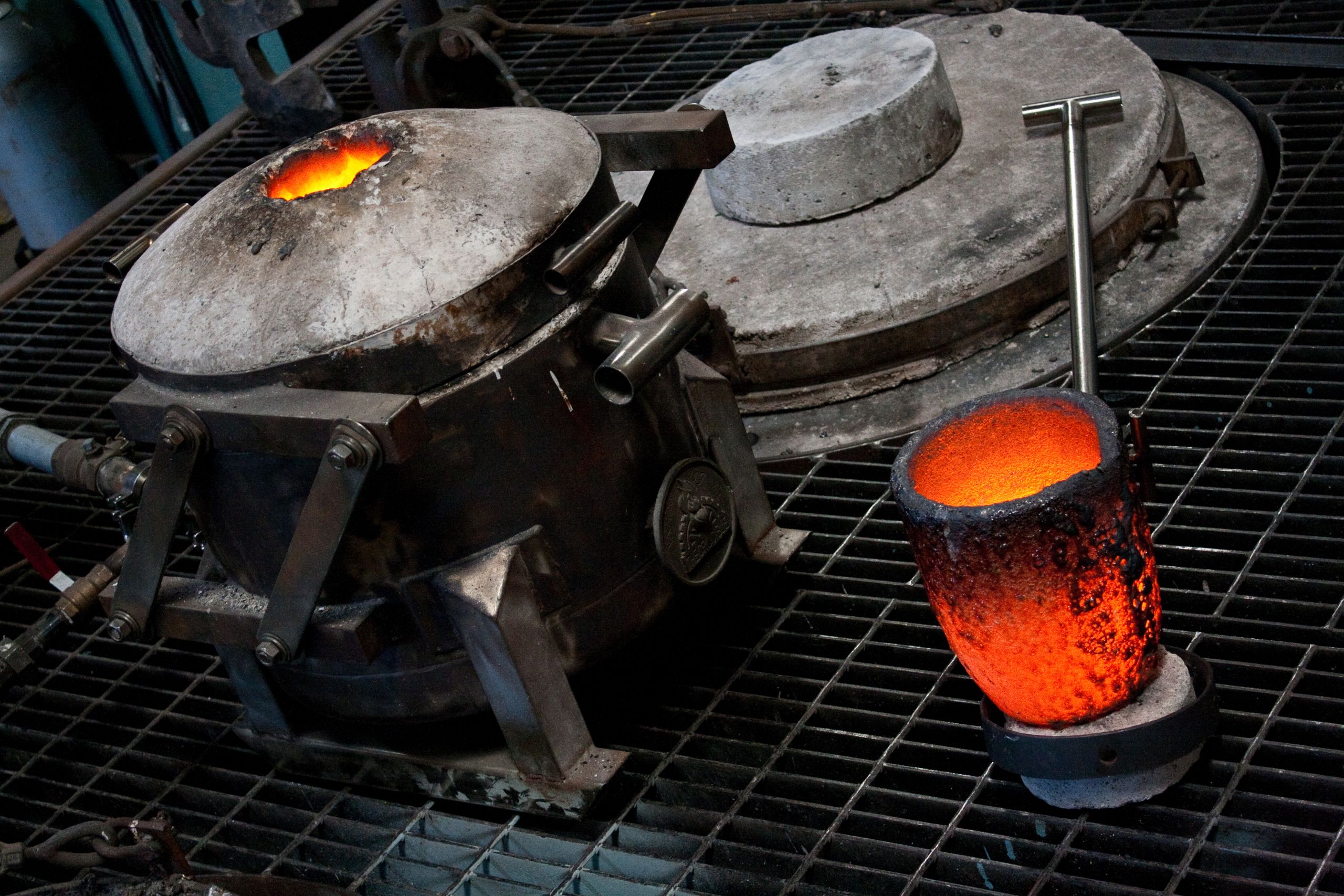
Metal shops work as an important foundation in the production market, changing raw materials into crucial parts. They play a substantial function in various markets, including automotive, aerospace, and building and construction, by providing premium metal parts that satisfy details efficiency criteria. Factories make use of innovative techniques to melt metal and cast it into preferred shapes, making sure precision and toughness.
The procedure begins with the choice of basic materials, such as iron, bronze, or aluminum, which are after that heated to severe temperatures. Skilled specialists supervise the entire operation, from mold and mildew design to quality assurance, making sure that each element abides by market guidelines and client specs.
In addition, metal foundries add to the economy by developing work and supporting regional supply chains. Their capacity to introduce and adjust to changing market demands solidifies their importance, making them essential to the production landscape.
Kinds Of Metal Casting Processes
Metal casting processes play a vital role in the shop sector, with numerous approaches tailored to certain demands. Among these, sand spreading methods and investment spreading approaches are commonly utilized for their distinct advantages and applications. Understanding these procedures is essential for enhancing production and making sure top quality in steel parts.
Sand Casting Techniques
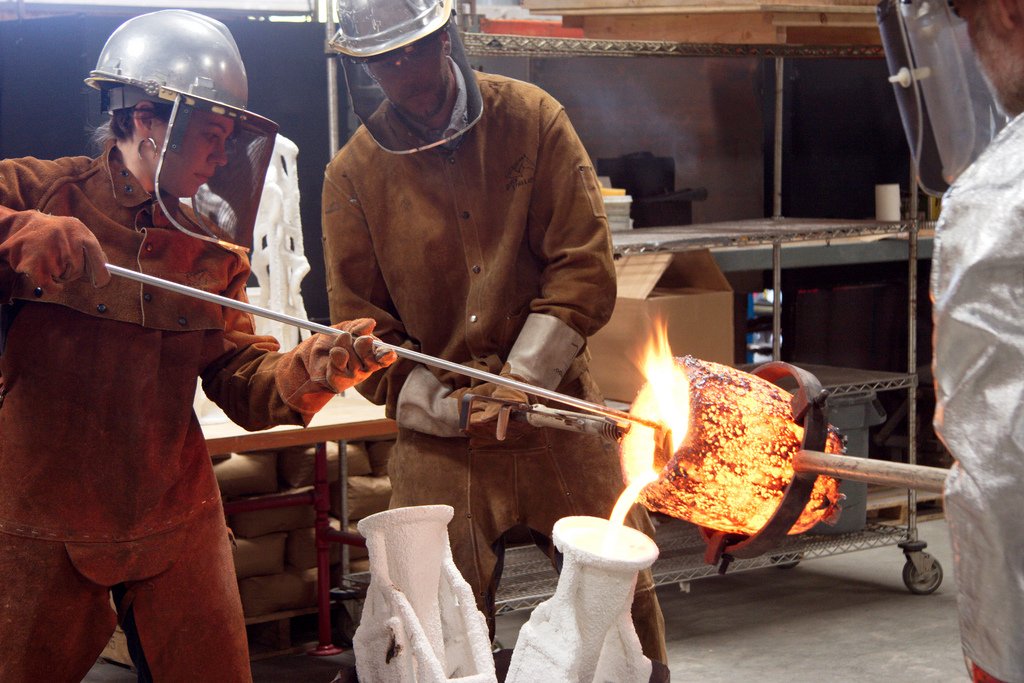
Just how do sand casting techniques stick out among various metal spreading processes? Sand spreading is renowned for its adaptability and cost-effectiveness, making it a recommended method in various markets. This technique uses sand as the key mold material, permitting intricate shapes and dimensions to be generated with relative convenience. The procedure starts with producing a pattern, which is after that bordered by sand combined with a binder. Metal Casting. After the mold is developed, molten metal is put in, strengthening to produce the preferred component. One of the considerable advantages of sand casting is the ability to cast big elements, which is typically challenging for various other techniques. With its flexibility and straightforward setup, sand spreading stays a keystone of steel factory operations
Investment Casting Methods
While numerous casting methods exist, financial investment spreading is differentiated by its capability to produce elaborate shapes with extraordinary accuracy. This process, often referred to as lost-wax casting, entails creating a wax pattern that is covered with a ceramic product. When the ceramic hardens, the wax is dissolved, leaving a hollow mold for steel to be poured right into. Investment casting stands out in creating complex geometries and great details, making it ideal for sectors such as aerospace, auto, and clinical. The liquified steel strengthens and fills the mold, resulting in top quality elements with marginal post-processing required. Its versatility enables for an array of materials, consisting of light weight aluminum, brass, and steel, more boosting its charm in manufacturing sophisticated components.
Materials Used in Steel Shops
Furthermore, factories make use of various alloys, which can enhance particular residential or commercial properties like toughness and resistance to put on. The selection of molding products, such as sand, ceramic, or steel, is likewise essential, as these establish the quality of the actors surface area and dimensional accuracy. Lastly, finishings and additives are utilized to boost casting performance, minimize flaws, and promote the splitting up of the cast product from the mold and mildew. Each material contributes to the efficiency and efficiency of the shop process.
Top Quality Control Actions in Foundry Operations
Quality control procedures in shop operations are necessary for making sure the stability and performance of actors metal products. Various evaluation strategies and developed criteria play an important role in determining prospective issues early in the manufacturing procedure. Furthermore, applying efficient flaw avoidance approaches can considerably enhance product quality and lower waste.
Inspection Techniques and Specifications
Efficient inspection methods and Metal Foundry criteria are vital for keeping the integrity of metal foundry operations. These methods guarantee that products satisfy specified high quality specifications and adapt industry regulations. Common inspection strategies consist of aesthetic examinations, dimensional checks, and non-destructive screening (NDT) approaches such as radiographic and ultrasonic testing. Each method serves to identify defects or inconsistencies without compromising the product. Following well-known criteria, such as ISO 9001 and ASTM standards, helps standardize inspection procedures and cultivates consistency across operations. In addition, routine training of workers on these standards boosts the performance of the evaluation process. Ultimately, rigorous evaluation methods and compliance with criteria are basic in assuring and providing top quality spreadings client fulfillment in the factory industry.
Defect Prevention Strategies
Keeping high requirements of quality in steel factory procedures demands the application of durable flaw avoidance techniques. These approaches concentrate on identifying potential sources of flaws early in the production process. Key procedures include extensive product selection, specific control of melting and pouring problems, and adherence to standardized operating procedures. Regular training of workers guarantees that employees are knowledgeable regarding ideal practices and the most up to date innovations. In addition, using advanced simulation software can anticipate prospective issues prior to they occur. Constant tracking with in-process evaluations and quality assurance checks permits prompt corrective actions, decreasing the possibility of flaws getting to the end product. Inevitably, an aggressive strategy to defect avoidance fosters reliability and boosts client contentment in metal factory procedures.
Common Difficulties Encountered by Steel Shops
Although metal foundries play a necessary duty in numerous sectors, they often encounter considerable difficulties that can influence their operations. One primary issue is the fluctuation in basic material prices, which can influence productivity and budget plan forecasts. Additionally, foundries regularly encounter labor lacks, as competent workers are significantly tough to find and preserve, resulting in potential ability gaps in manufacturing processes.
Ecological guidelines also posture difficulties; foundries must adhere to stringent criteria, which may call for costly financial investments in pollution control modern technologies. Maintaining top quality criteria is important, as defects in casting can lead to item recalls and reputational damages. Finally, the intricacy of managing supply chains, specifically throughout global disturbances, can hinder prompt production and shipment (Metal Foundry). Jointly, these obstacles necessitate calculated preparation and flexible management to ensure the continued stability and success of metal shops in a competitive market
Technological Innovations in Steel Casting
As steel foundries seek to boost efficiency and reduce prices, technical improvements in metal casting have become vital developments. The combination of computer-aided style (CAD) and simulation software application has actually transformed the style process, enabling exact modeling of cast elements and the identification of possible flaws prior to manufacturing begins. Furthermore, improvements in 3D printing modern technology allow the fast prototyping of cores and molds, significantly lowering lead times and product waste.
The fostering of automated systems and robotics in the spreading procedure has improved uniformity and productivity, while additionally decreasing human mistake. In addition, advanced products, such as high-performance alloys, are being established to stand up to extreme problems, boosting the longevity of actors products. These technical innovations not just streamline operations but additionally contribute to more sustainable techniques within the market, ultimately placing steel foundries to meet the advancing demands of their clients properly.
Future Patterns in the Metal Shop Industry
With the recurring development of the metal shop market, several future patterns are poised to reshape its landscape significantly. Automation and robotics are anticipated to enhance production effectiveness, reducing labor costs and boosting accuracy in casting processes. In addition, the fostering of advanced materials, such as light-weight alloys and compounds, will certainly satisfy the growing demand for high-performance and lasting components in different markets, consisting of automobile and aerospace.
Furthermore, the assimilation of electronic innovations, such as the Web of Things (IoT) and expert system (AI), will certainly facilitate real-time monitoring and predictive maintenance, causing boosted functional efficiency. The focus on sustainability will drive the advancement of eco-friendly techniques, consisting of the recycling of scrap metal and the reduction of power usage in shops. Labor force advancement will certainly end up being necessary as the sector looks for proficient labor to adapt to these technological improvements, making sure an affordable edge in the global market.
Frequently Asked Inquiries
What Certifications Are Required for Steel Shop Procedures?
Just How Do Foundries Handle Environmental Laws?
Shops manage ecological laws by executing thorough conformity programs, performing routine audits, utilizing contamination control technologies, and training workers on ideal methods. They also keep open communication with governing companies to assure adherence to progressing environmental criteria.
What Are the Common Lead Times for Casting Production?
Normal lead times for spreading manufacturing variety from a couple of weeks to a number of months, depending on aspects such as complexity, material demands, and foundry ability. Efficient preparation and communication can help in reducing these preparations substantially.
Exactly How Do Shops Deal With Labor Force Training and Safety?
Factories focus on labor force training and security via thorough programs, regular workshops, and adherence to safety and security policies. They execute hands-on training, mentorship, and continual evaluations to assure employees are well-prepared for secure operational techniques in tough settings.
What Is the Influence of Global Supply Chain Issues on Foundries?
Worldwide supply chain concerns considerably influence foundries by triggering product scarcities, increasing expenses, and delaying manufacturing timelines. These disturbances compel factories to adjust their sourcing approaches and boost inventory management to maintain operational effectiveness.
Steel shops play a vital duty in the manufacturing market, particularly in sectors like automobile and aerospace. Steel foundries offer as a vital foundation in the manufacturing industry, transforming raw materials into essential elements. Metal casting processes play an important function in the foundry market, with various techniques tailored to particular demands. Metal foundries play an essential function in different sectors, they usually run into significant obstacles that can impact their operations. As metal foundries look for to enhance efficiency and lower costs, technical developments in metal spreading have emerged as crucial advancements.