Aluminum Casting Explained: Key Realities and Insights for Industry Professionals
Aluminum casting functions as a crucial process in modern-day manufacturing, shaping parts across various fields. Its diverse methods, such as sand and die casting, deal with various manufacturing needs. The one-of-a-kind residential properties of aluminum alloys enhance their applicability, yet tests stay in maintaining top quality and efficiency. Understanding these elements is necessary for sector professionals. What are the newest advancements and ideal techniques that can better optimize this process?
Review of Aluminum Casting Processes
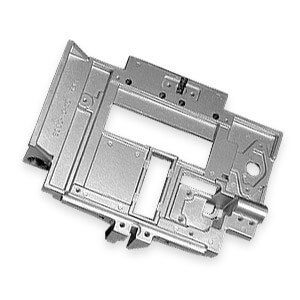
Crucial element of aluminum casting processes consist of the preparation of molds, which may be made from sand, steel, or ceramic products, depending upon the meant use. Furthermore, temperature control is essential to ensure appropriate melting and solidification of aluminum.
The casting procedure permits intricate layouts and can attain high degrees of dimensional accuracy. When cooled down, the castings may go through finishing operations such as machining or surface treatment to satisfy particular performance requirements. Generally, aluminum casting works as a flexible production technique, properly meeting the diverse needs of different markets.
Kinds Of Aluminum Casting Methods
In the domain of aluminum casting, different approaches are used to accomplish different results. Sand casting strategies give adaptability and cost-effectiveness for complicated shapes, while die casting procedures supply high accuracy and performance for mass production. Comprehending these techniques is vital for picking the suitable approach based on job needs.
Sand Casting Techniques
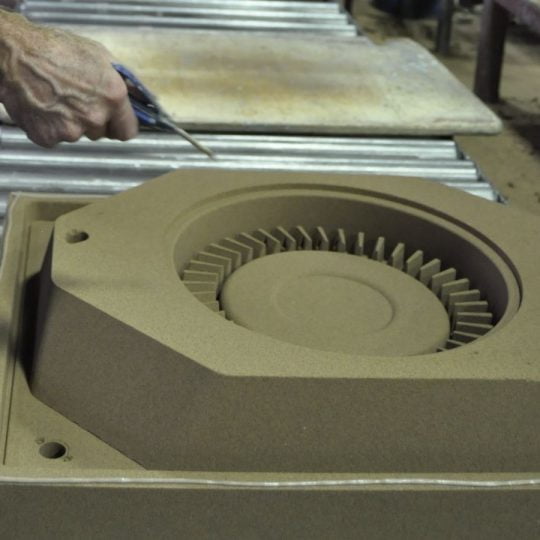
Sand casting methods represent a fundamental method in aluminum casting, where sand is made use of as a mold product to form molten steel. This procedure includes producing a pattern from the desired component, which is after that placed in a sand mixture to form a mold and mildew. The sand is compacted around the pattern, and after elimination, it creates a dental caries in the shape of the part. Molten aluminum is put into this cavity, allowing it to cool and solidify. One significant benefit of sand casting is its versatility; it can fit complicated forms and huge parts. In addition, the products used are reasonably low-cost, making it an available option for different manufacturing applications in the aluminum sector.
Die Casting Processes
Die casting processes are a noticeable method for shaping aluminum parts, making use of high-pressure techniques to force liquified metal right into exactly crafted mold and mildews. This procedure is especially favored for its capability to generate complex shapes with limited tolerances and a smooth finish. There are two key types of die casting: hot chamber and chilly chamber. Warm chamber die casting appropriates for steels with low melting factors, enabling faster production rates. Conversely, chilly chamber die casting is excellent for higher melting factor metals, calling for a separate melting heating system. Both techniques enhance performance and minimize material waste, making them necessary in auto, aerospace, and customer products industries. Understanding these processes helps specialists select the most ideal strategy for their details applications.
Product Characteristic of Aluminum Alloys
Stamina and Resilience
Strength and longevity are critical features of aluminum alloys that make them appropriate for various casting applications. These materials display a desirable strength-to-weight proportion, permitting for the creation of lightweight yet robust parts. When it come to tensile stamina, particular aluminum alloys can be engineered to hold up against significant tons without warping. This residential or commercial property is particularly crucial in markets such as aerospace and automotive, where performance and security are critical. Additionally, aluminum alloys often maintain their mechanical homes under diverse temperature conditions, guaranteeing consistent performance. The inherent ductility of these alloys likewise enables effective shaping throughout the casting process, making it less complicated to create complex geometries. On the whole, the toughness and durability of aluminum alloys contribute greatly to their prevalent usage in innovative applications.
Corrosion Resistance Characteristics
While aluminum alloys are treasured for their strength and lightweight properties, their corrosion resistance is one more important attribute that improves their viability for various applications. Aluminum normally creates a protective oxide layer when exposed to moisture, which helps to stop further oxidation. This intrinsic home makes aluminum alloys especially important in settings prone to rust, such as industrial and marine settings. Furthermore, various alloy make-ups can affect resistance levels, with particular alloys specifically engineered to improve this particular. Treatments like anodizing can further boost corrosion resistance by enlarging the oxide layer. Recognizing the deterioration resistance of aluminum alloys is vital for market experts when picking products for jobs calling for toughness and durability in challenging atmospheres.
Benefits of Aluminum Casting in Manufacturing
Aluminum casting deals various advantages in production, making it a favored choice for various industries. One considerable advantage is its lightweight nature, which adds to reduced transport prices and boosted power efficiency in end items. Furthermore, aluminum's outstanding thermal and electrical conductivity boosts performance in applications calling for warmth dissipation or electric transmission.
The material's ability to be cast into complex forms allows for design adaptability, lowering the demand for extra machining processes. On top of that, aluminum casting shows superior rust resistance, leading to longer item lifespans and reduced maintenance costs.
Typical Applications of Aluminum Castings
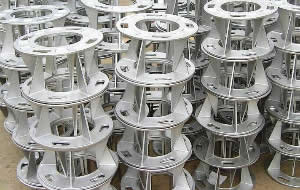
The versatility of aluminum casting allows its extensive use across numerous markets. Common applications include automobile parts, where light-weight and corrosion-resistant components, such as engine blocks and transmission housings, boost car efficiency. In the aerospace sector, aluminum castings are made use of for structural components, using strength without including substantial weight.
In addition, the electrical sector gain from aluminum spreadings in producing enclosures and heat sinks, where thermal conductivity is essential. The customer items field additionally integrates aluminum castings in items like kitchenware, furniture, and attractive items, incorporating appearances with capability.
Furthermore, the construction industry uses aluminum spreadings for architectural aspects, window frames, and components, which give durability and style adaptability. On the whole, the diverse applications of aluminum castings highlight their importance in contemporary production, adding to developments in performance and product design throughout several areas.
Innovations and Technological Advancements
As sectors remain to evolve, developments in aluminum casting innovation are changing production procedures and item abilities. Innovations in 3D printing and additive manufacturing have actually enabled the creation of intricate geometries that were formerly impossible to accomplish with standard techniques. These innovations permit you could check here quick prototyping, minimizing lead times and costs.
In addition, renovations in mold layout and materials have actually enhanced the casting process by increasing efficiency and reducing waste. The integration of clever production methods, such as IoT tools and real-time information analytics, permits far better surveillance and optimization of manufacturing criteria, causing better outputs.
Furthermore, growths in aluminum alloys provide enhanced toughness, rust resistance, and light-weight residential or commercial properties, accommodating the expanding demands in vehicle and aerospace industries. Jointly, these innovations are not only enhancing productivity yet likewise fulfilling the strenuous requirements of contemporary engineering applications.
Finest Practices for Quality Assurance in Aluminum Casting
Making certain top notch outputs in aluminum casting needs adherence to ideal methods that encompass various phases of the manufacturing process. Initially, extensive material evaluation is necessary to verify the quality of aluminum alloys utilized, as contaminations can considerably affect the end product. Applying accurate melting and putting techniques minimizes flaws; maintaining ideal temperatures protects against oxidation and promotes harmony.
Moreover, mold and mildew layout plays an important function; utilizing computer-aided style (CAD) can boost precision and lower human mistake. Normal tracking of the cooling procedure is vital to avoid bending and shrinking. Additionally, using non-destructive testing techniques, such as ultrasonic or X-ray assessments, aids identify internal problems without harming the elements.
Developing a feedback loophole with designers and drivers fosters continuous enhancement, guaranteeing that top quality control actions evolve together with technical improvements. By following these finest techniques, suppliers can boost the integrity and efficiency of aluminum castings.
Regularly Asked Concerns
What Are the Ecological Impacts of Aluminum Casting?
The ecological impacts of aluminum casting consist of considerable energy consumption, greenhouse gas discharges, and possible water air pollution from shop operations. Furthermore, bauxite mining for aluminum ore can bring about habitat destruction and soil deterioration.
Just How Does Aluminum Casting Contrast to Various Other Metal Casting Processes?
Aluminum casting generally provides benefits in lightweight components and rust resistance contrasted to other processes, such as iron or steel casting, which may offer greater strength yet cause heavier and less corrosion-resistant items. - Aluminum Casting Company
What Are Typical Issues in Aluminum Castings and Their Reasons?
Usual problems in aluminum spreadings consist of porosity, shrinkage, and inclusions. Reasons usually come from improper putting methods, inadequate mold design, or contamination of the molten steel, impacting the final product's honesty and efficiency.
What Safety and security Precautions Should Be Taken Throughout Aluminum Casting?
Throughout aluminum casting, necessary security precautions consist of putting on safety equipment, making sure appropriate air flow, preserving a tidy work area, taking care of molten metal with treatment, and adhering to well established protocols to reduce risks of burns, breathing threats, and accidents.
How Can I Boost the Efficiency of My Aluminum Casting Operations?
To improve effectiveness in aluminum casting operations, one ought to optimize Recommended Site mold and mildew design, simplify material handling, utilize automated processes, carry out normal maintenance on devices, and invest in staff member training to enhance abilities and productivity.
Different approaches exist, aluminum casting encompasses a visit this site right here number of primary processes that provide to various applications and demands. Trick aspects of aluminum casting procedures include the preparation of mold and mildews, which might be made from sand, metal, or ceramic materials, depending on the meant usage. Sand casting techniques represent an essential approach in aluminum casting, where sand is used as a mold product to form molten metal. As markets proceed to evolve, developments in aluminum casting modern technology are transforming production procedures and item capacities. Guaranteeing high-quality outcomes in aluminum casting calls for adherence to best methods that incorporate numerous stages of the manufacturing process.